

How Long Do Professional Christmas Light Installations Last?
The lifespan of a Christmas light installation depends on several key factors — including bulb technology, weather exposure, installation quality, and ongoing maintenance.
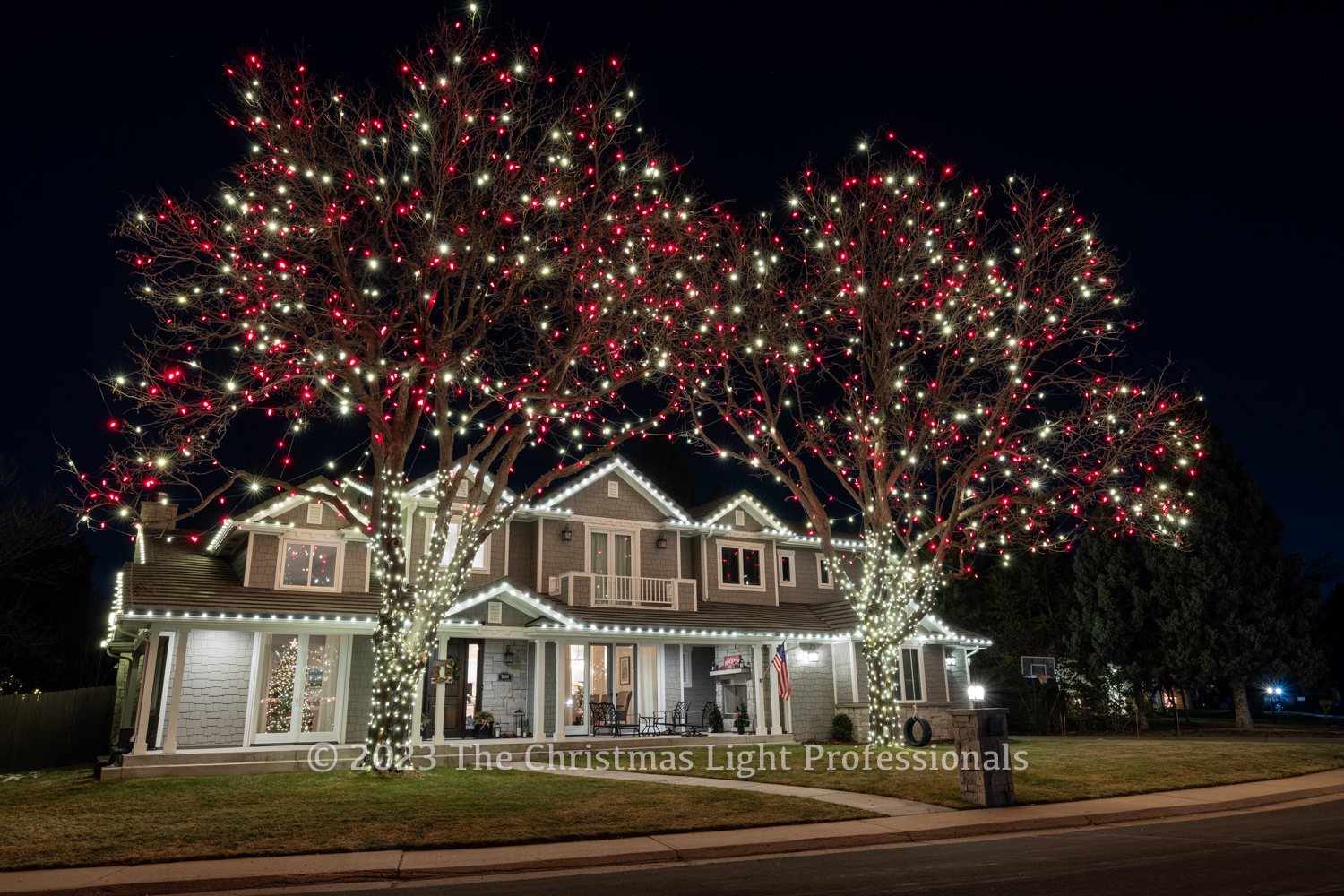
When installed correctly using commercial-grade materials, professional Christmas light systems can deliver exceptional durability, often lasting a decade or more with proper care.
The transition to LED technology has completely changed expectations around holiday lighting. Unlike traditional incandescent bulbs that required frequent replacement, modern LED Christmas lights offer long-term performance that transforms seasonal décor into a smart investment.
LED Christmas Lights Lifespan
In real-world conditions, high-quality LED Christmas lights are typically rated for 50,000 to 100,000 hours of operation.
To put that into perspective, running lights for 8 hours a day over a 60-day holiday season uses just 480 hours per year. At that rate, premium LEDs could theoretically function for more than 100 seasons.
While real-world exposure prevents reaching those theoretical limits, professional Christmas lights using commercial-grade LEDs routinely deliver 10+ years of dependable service.
It’s important to note that bulb longevity isn’t the only factor. While LED diodes rarely fail, other system components often determine the true lifespan.
Wire insulation, connector seals, and mounting clips are exposed to constant weathering and may require attention before the LEDs themselves. That’s why Christmas Light Professionals design installations using commercial Christmas lights engineered for long-term outdoor exposure.
Color, Temperature, and Longevity
Color and operating conditions subtly affect how long LED lights last.
- Warm white LEDs generally last slightly longer due to simpler internal electronics
- Color-changing LEDs may experience marginally reduced lifespan because of added circuitry
- LEDs perform best in moderate temperatures
Extreme heat is more damaging than cold, as prolonged high temperatures can gradually reduce LED efficiency and lifespan.
Quality differences in the market also play a major role. Budget retail light sets often use lower-grade components and minimal weatherproofing, leading to failure within 2–3 seasons.
By contrast, commercial-grade Christmas lights justify higher upfront costs by delivering significantly longer service life. When evaluating professional Christmas light installation cost, it’s essential to consider the long-term value rather than focusing solely on initial pricing.
Outdoor Christmas Lights in Different Weather Conditions
Environmental exposure has a significant impact on how long outdoor Christmas lighting lasts. Climate-specific challenges should always guide product selection and installation methods.
Cold weather generally favors LED technology. Unlike incandescent bulbs that become brittle in freezing temperatures, weatherproof Christmas lights with quality LED components function reliably down to -40°F.
However, repeated freeze-thaw cycles can stress wire insulation and connectors. Professional installations mitigate this risk through proper wire management and protected connections.
Heat and UV exposure pose greater long-term threats, particularly in warmer climates. Intense sunlight degrades plastic components and insulation over time — especially in systems installed year-round as permanent Christmas lights.
UV-resistant materials and protective coatings significantly extend lifespan, and Christmas Light Professionals select appropriate weatherproofing grades based on regional conditions.
Moisture and humidity range from occasional rain to constant dampness. Quality weatherproof Christmas lights feature sealed connectors and water-resistant construction rated for wet environments.
Coastal installations require corrosion-resistant components to withstand salt spray. Proper socket orientation and protected connections prevent water accumulation that causes premature failure.
Wind and storms test mounting systems and wire flexibility. Rigid installations often develop stress points, while professional Christmas light installation incorporates controlled flexibility to withstand high winds without damage.
DIY vs Professional Christmas Light Installation
Installation quality dramatically affects longevity — regardless of component quality.
DIY installations frequently fail due to avoidable mistakes, including:
- Over-tightened clips damaging wire insulation
- Poor strain relief at connection points
- Improper electrical loading
- Exposed connections and excessive UV exposure
Professional installers apply industry best practices — ensuring correct spacing, protected connections, proper wire gauges, and mounting hardware suited to each surface.
Although professional Christmas light installation cost is higher upfront, professionally installed systems often last two to three times longer than DIY setups, delivering superior long-term value.
Christmas Light Maintenance Tips
Proper maintenance significantly extends the lifespan of any lighting system.
- Store lights carefully, avoiding tight bends and kinks
- Use sealed storage containers to protect against moisture and pests
- Test and inspect all strands before installation
- Monitor displays during the season for flickering or dark sections
- Remove lights gently and clean connections before storage
Many homeowners rely on Christmas Light Professionals not only for installation, but also for dismantling, inspection, and storage — ensuring maximum longevity.
FAQ
What is the average lifespan of professional-grade LED Christmas lights?
Professional-grade LED Christmas lights typically last 10+ years with proper installation and maintenance. While LEDs are rated for 50,000–100,000 hours, system longevity is usually limited by wiring, connectors, and mounting hardware rather than bulbs themselves.
Will extreme weather shorten the life of my outdoor Christmas lights?
Extreme weather can affect longevity, but quality weatherproof Christmas lights are designed to resist environmental stress. Cold temperatures generally favor LED performance, while heat and UV exposure pose greater risks. Proper installation and seasonal removal significantly extend lifespan.
How does professional installation extend durability?
Professional installation extends durability through superior component selection, expert techniques, protected connections, and thoughtful system design. Professionals avoid common DIY mistakes and often provide maintenance services to address wear before failure occurs.
When should Christmas lights be replaced?
Lights should be replaced if there is visible wire damage, cracked insulation, corroded connectors, or persistent flickering. If more than 20% of bulbs fail, replacement is often more economical. Even functioning systems approaching 10 years should be evaluated for safety.