
What Is the Difference Between Commercial and Residential Christmas Lighting?
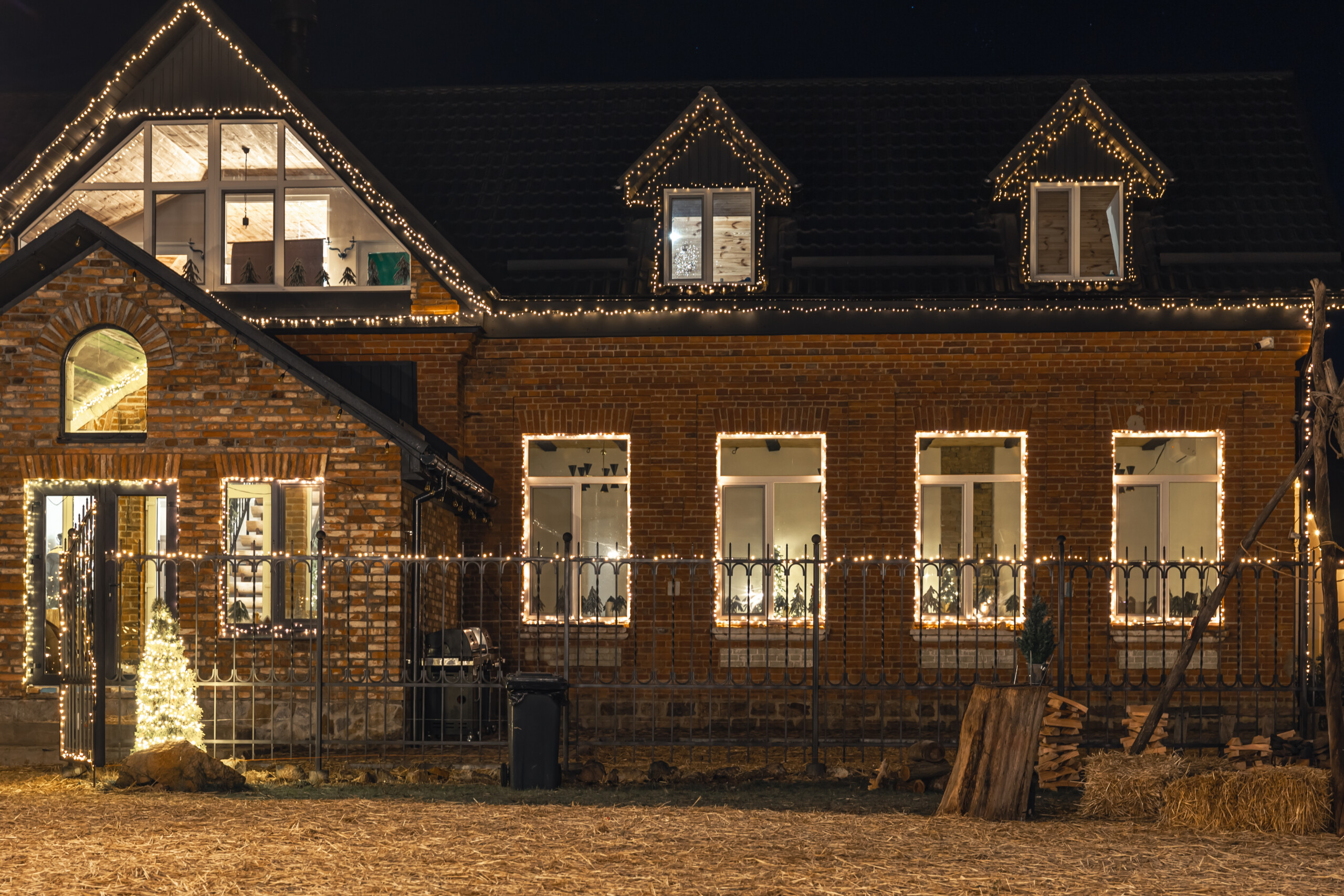
When the holiday season begins, homeowners and business owners often assume that Christmas lights are all the same. In reality, commercial Christmas lighting and residential Christmas lighting are built for very different purposes, environments, and expectations.
Key Quality Differences in Christmas Lighting Systems
The most noticeable difference between commercial and residential Christmas lights is overall build quality. Commercial-grade lighting is designed for long-term outdoor use, higher visibility, and demanding weather conditions.
Commercial Christmas lights typically use thicker 18–20 AWG wiring, which helps reduce voltage loss and improves safety. Residential lights usually rely on thinner 22 AWG wire, making them more prone to wear, overheating, and outages.
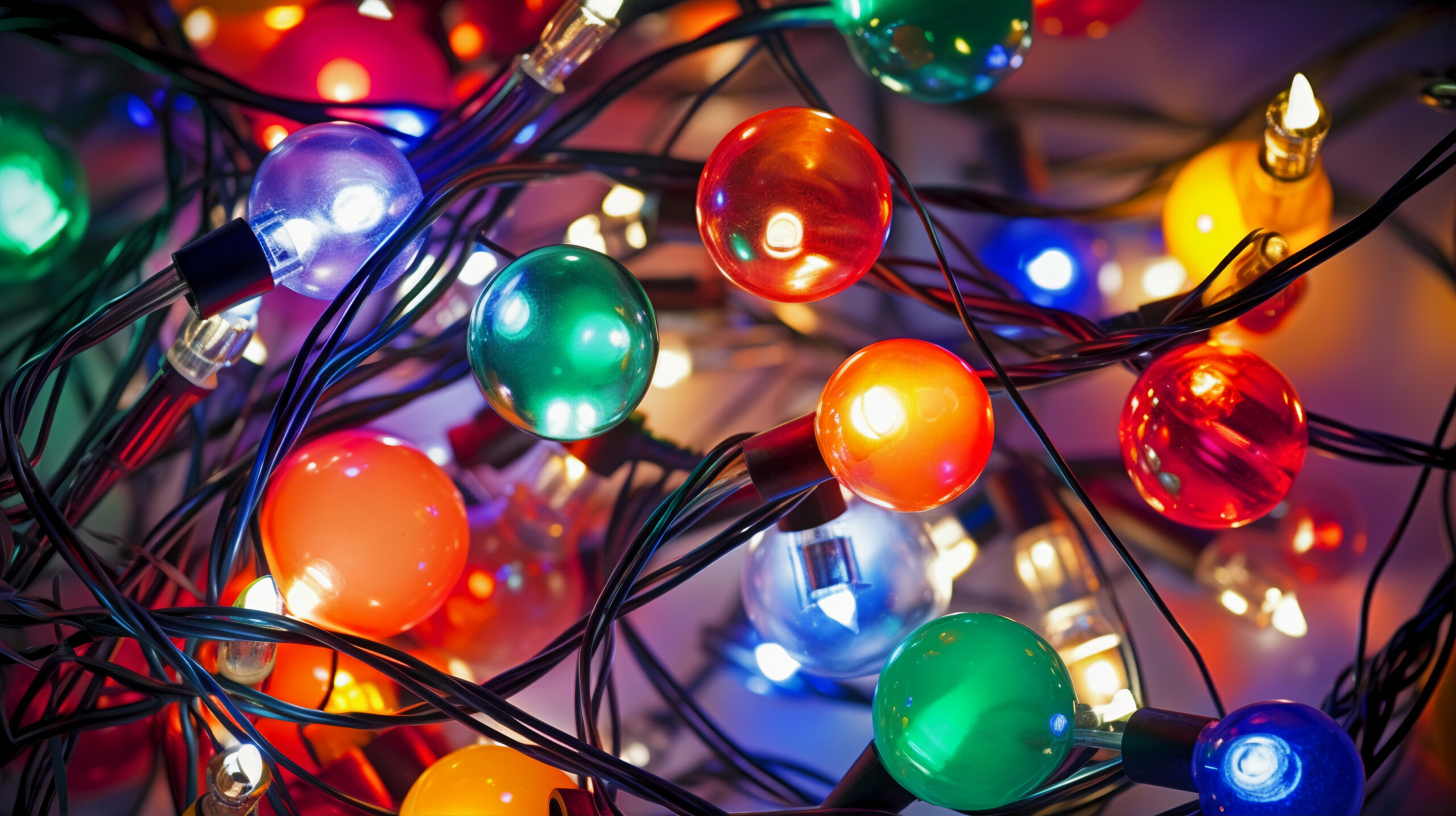
Another major distinction is bulb construction. Commercial systems use shatter-resistant polycarbonate lenses instead of glass, allowing them to withstand wind, snow, and temperature extremes without breaking.
Durability and Weather Resistance
Commercial Christmas lighting is manufactured to meet UL wet-location standards, meaning sockets are fully sealed and connections are protected from moisture. This makes them reliable in rain, snow, and icy conditions.
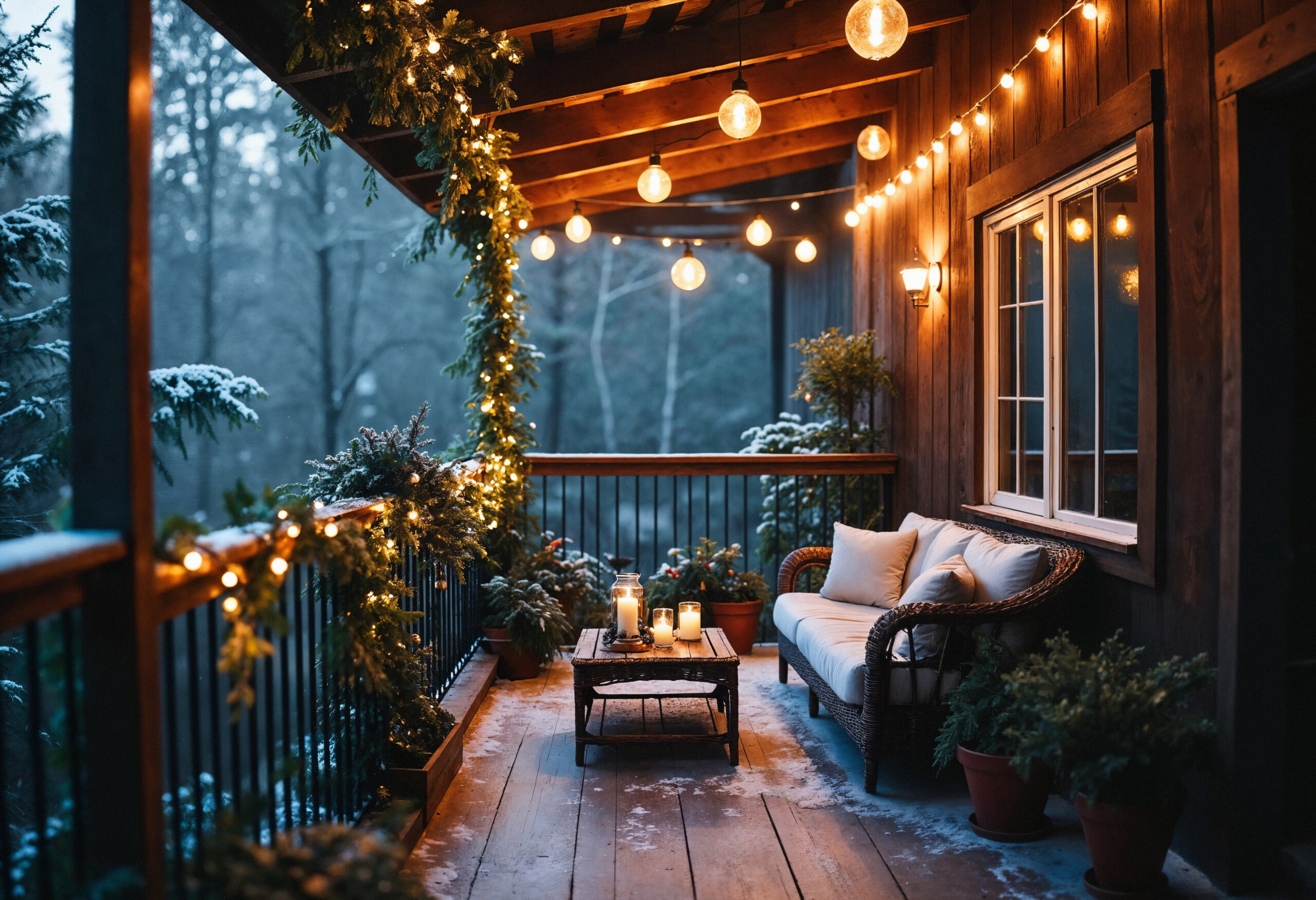
Residential lights are typically rated for short-term seasonal use and may fail when exposed to prolonged moisture or freezing temperatures. For businesses and large properties, this difference in durability is critical.
Cost Comparison: Commercial vs Residential Christmas Lighting
Commercial Christmas light installation usually costs more upfront. Commercial-grade LED strands often range from $15–$30 each, while residential lights average $5–$12 per strand.
However, commercial lighting systems last significantly longer — often 50,000 to 100,000 hours — compared to 20,000–30,000 hours for residential products. Over time, fewer replacements and service calls make commercial lighting a smarter investment.
Best Christmas Lighting Options for Commercial Properties
LED technology is the standard for commercial applications due to its energy efficiency and consistent brightness. C9 bulbs are especially popular for storefronts and office buildings because they are highly visible and create a classic holiday look.
For larger properties, strip lighting, rope lights, and programmable LED systems allow for custom designs, scheduled operation, and color control — features rarely available with residential products.
Professional Installation: Commercial vs Residential
Commercial Christmas light installation requires professional planning, including site evaluations, electrical load calculations, and compliance with local building codes.
Christmas Light Professionals specialize in both residential and commercial installations, using professional equipment such as lifts, secure mounting systems, and commercial-rated hardware designed to withstand wind and weather.
Unlike residential installs that often take a single day, commercial projects may require several days or weeks, along with ongoing maintenance throughout the season.
Maintenance, Support, and Long-Term Value
A key advantage of commercial lighting services is ongoing maintenance. Professional teams regularly inspect displays, replace failed components, and provide quick repairs when needed.
Many commercial clients also take advantage of off-season removal and storage, protecting their investment and ensuring the system is ready year after year.
Choosing the Right Christmas Lighting Solution
While residential Christmas lights work well for small, short-term displays, commercial-grade lighting is the best choice for businesses and large properties that require durability, safety, and visual impact.
By working with experienced professionals, you ensure your holiday display is not only beautiful but also reliable, code-compliant, and built to last.